 Book an Appointment


 Book An Appointment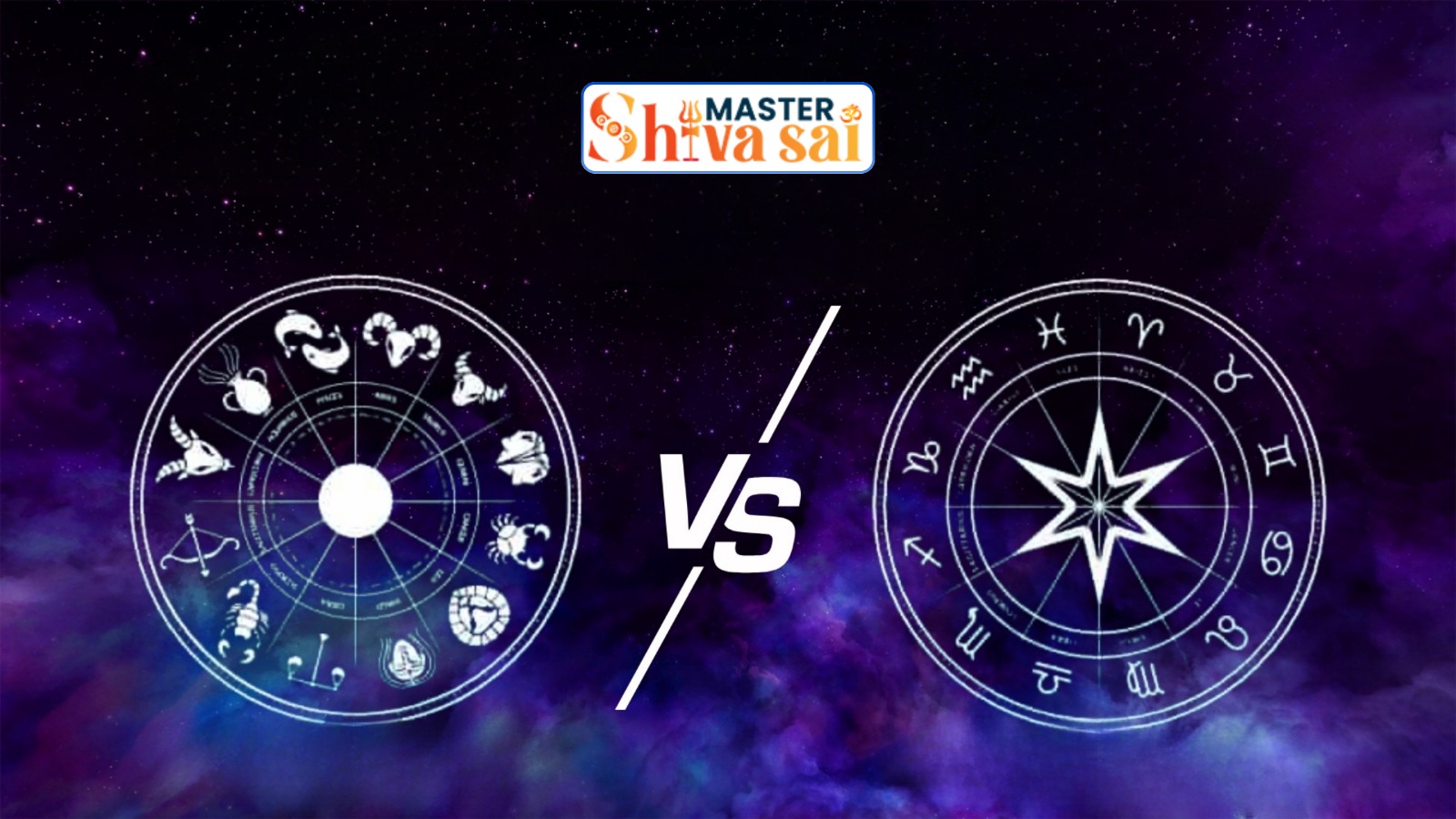
04 Feb What Makes a Famous Vedic Astrologer Different From Modern Astrology?
Introduction
Astrology has grown over thousands of years, shaping different systems that guide people toward self-understanding and life clarity. Among these systems, Vedic astrology and modern astrology stand apart in their approach, depth and purpose. While both aim to interpret planetary influences on human life, the way they analyze, predict and guide individuals differs significantly. Understanding these differences helps people choose a system that aligns with their beliefs and expectations. This blog explores what truly makes Vedic astrology unique and why guidance from a reputed practitioner is often seen as more detailed and life-oriented compared to modern astrology.
Rooted in Ancient Wisdom and Scriptures
Vedic astrology, also known as Jyotish Shastra, is deeply rooted in ancient Indian scriptures such as the Vedas and Upanishads. It is considered a sacred science that connects cosmic movements with human destiny. The system is built on thousands of years of observation and spiritual philosophy. Modern astrology, on the other hand, developed mainly in the West and focuses more on psychological traits and personality patterns. It emphasizes self expression and emotional tendencies rather than karmic influences. The spiritual and philosophical depth found in Vedic astrology is often missing from modern approaches.
Sidereal Zodiac vs Tropical Zodiac
One of the most important differences lies in the zodiac system used. Vedic astrology follows the sidereal zodiac, which is based on the actual positions of stars and constellations in the sky. This makes calculations precise and astronomically aligned. Modern astrology uses the tropical zodiac, which is based on the seasons and the position of the sun relative to Earth. Over time, this system has shifted away from real star positions due to the precession of the equinoxes. A famous Vedic astrologer relied on sidereal calculations, ensuring accuracy rooted in cosmic reality rather than seasonal symbolism.
Importance of Exact Birth Details
Vedic astrology places strong importance on the exact birth time, date, and place. Even a difference of a few minutes can change planetary house placements. This precision allows astrologers to analyze life events such as career growth, marriage timing, health patterns, and spiritual progress. Modern astrology is generally more flexible with birth times and focuses mainly on the sun signs. While this makes it accessible, it also limits prediction depth. Vedic astrology goes far beyond sun signs by analyzing moon signs, ascendants, planetary periods, and divisional charts.
Focus on Karma and Life Purpose
A key factor that distinguishes Vedic astrology is its emphasis on Karma and Dharma. It explains how past actions influence present circumstances and how current choices shape the future. A famous Vedic astrologer interprets charts to guide individuals toward balance, responsibility, and spiritual growth. Modern astrology focuses more on the present emotions, personality traits, and relationship dynamics. It is often used as a self-development tool rather than a life roadmap. While helpful for introspection, it does not usually address long-term karmic lessons in detail.
Use of Dashas and Planetary Periods
One of the strongest aspects of Vedic astrology is the Dasha system. Dashas represent planetary periods that influence different phases of life. By studying these periods, astrologers can predict when opportunities, challenges, or transformations may occur. Modern astrology rarely uses time-based predictive systems with this level of detail. Forecasts are often based on general transits and short-term influences. Vedic astrology’s structured timeline allows for more specific and practical guidance.
Remedies and Corrective Measures
Vedic astrology identifies problems and offers remedies. These may include mantras, rituals, gemstones, donations, or lifestyle changes aimed at reducing the negative planetary effects and enhancing positive energies. Modern astrology usually focuses on awareness rather than correction. It helps people understand their tendencies but it does not traditionally provide spiritual remedies. The holistic approach to Vedic astrology addresses the mental, emotional, material, and spiritual aspects together.
Role of Experience and Lineage
Famous Vedic astrologers often gain recognition through years of study, practice, and guidance from traditional teachers. Many follow a guru-discovery lineage, preserving the authenticity of science. Their expertise lies not just in calculations but in intuitive understanding developed through spiritual discipline. Modern astrologers may rely more on contemporary education, books, and software. While knowledge is important in both systems, Vedic astrology adds experiential and spiritual training to interpretations.
Practical Life Guidance
Vedic astrology is widely used for major life decisions such as marriage matching, career selection, business planning, property investments, and naming ceremonies. Its practical application makes it a trusted guide for families and individuals seeking long-term stability. Modern astrology is used for personality insights, relationship compatibility, and emotional understanding. It serves as a reflective tool rather than a decision-making framework.
Conclusion
Both Vedic astrology and modern astrology offer valuable insights, but their purpose and depth differ greatly. Vedic astrology stands out for its accuracy, spiritual foundation, karmic understanding and structured predictions. Guidance from a Famous Vedic Astrologer goes beyond general horoscopes, offering personalized and meaningful directions aligned with cosmic principles. For those seeking clarity, balance, and long-term life guidance, Vedic astrology remains a powerful science.
Sorry, the comment form is closed at this time.